Wildlife safaris for solo travelers: Explore the Wild Alone
Introduction to Wildlife Safaris for Solo Travelers
Wildlife safaris for solo travelers – Wildlife safaris offer a unique opportunity to experience the beauty and wonder of nature up close. For solo travelers, these adventures can be especially rewarding, providing a chance for personal growth and self-discovery in the midst of stunning natural landscapes.
The Appeal of Wildlife Safaris for Solo Travelers
Embarking on a wildlife safari alone allows solo travelers to fully immerse themselves in the experience without any distractions. It offers a sense of freedom and independence, allowing individuals to set their own pace and priorities throughout the journey.
The Benefits of Going on a Wildlife Safari Alone
- Personalized Experience: Solo travelers have the flexibility to tailor their safari experience to their own interests and preferences, ensuring a truly unique adventure.
- Increased Connection with Nature: Being alone in the wilderness allows for a deeper connection with the natural world, fostering a sense of peace and tranquility.
- Sense of Accomplishment: Navigating the wilderness solo can be a rewarding challenge, boosting confidence and self-reliance.
- Opportunity for Reflection: Away from the distractions of everyday life, solo travelers have the chance to reflect, recharge, and gain a fresh perspective on life.
Popular Destinations for Wildlife Safaris
When it comes to wildlife safaris for solo travelers, there are several destinations around the world that offer unique experiences while ensuring safety. Here are some of the top destinations to consider:
1. Maasai Mara, Kenya
Maasai Mara is known for its incredible wildlife population, including the Big Five (lion, elephant, buffalo, leopard, and rhinoceros). Solo travelers can enjoy thrilling game drives, witness the Great Wildebeest Migration, and interact with the Maasai people. Safety measures include experienced guides and well-equipped safari vehicles.
2. Kruger National Park, South Africa
Kruger National Park is one of the largest game reserves in Africa, home to diverse wildlife such as lions, elephants, and giraffes. Solo travelers can explore the park on guided game drives or walking safaris, with accommodation options ranging from luxury lodges to budget-friendly camps.
Safety precautions include strict park rules and trained rangers.
3. Galapagos Islands, Ecuador
The Galapagos Islands offer a unique wildlife experience with rare species like the Galapagos tortoise, marine iguanas, and blue-footed boobies. Solo travelers can join guided cruises or island-hopping tours to witness the diverse flora and fauna. Safety measures include knowledgeable naturalist guides and regulated visitor sites.
4. Ranthambore National Park, India
Ranthambore National Park is famous for its tiger population, providing solo travelers with the opportunity to spot these majestic creatures in their natural habitat. Jeep safaris and nature walks allow visitors to explore the park while following strict guidelines to ensure safety.
Experienced naturalists accompany travelers during excursions.
5. Serengeti National Park, Tanzania
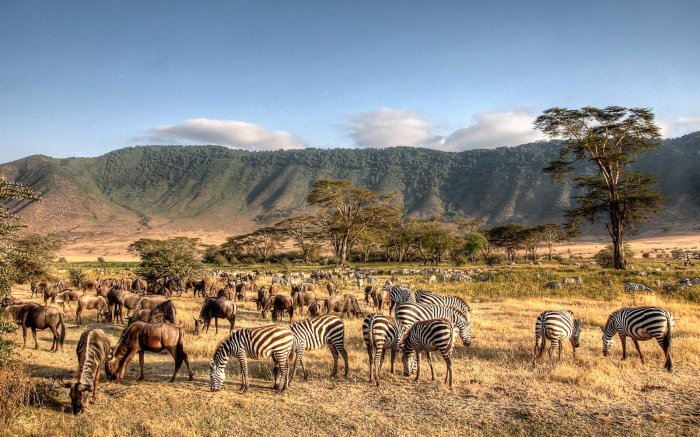
Serengeti National Park is renowned for its vast savannahs and annual wildebeest migration. Solo travelers can witness this natural spectacle while observing a variety of wildlife, including lions, cheetahs, and elephants. Safety precautions in the park include knowledgeable guides and secure accommodations.
Planning and Preparation for a Solo Wildlife Safari
When embarking on a solo wildlife safari, proper planning and preparation are key to ensuring a safe and enjoyable experience. Here is a step-by-step guide on how to plan a wildlife safari as a solo traveler, along with essential items to pack and tips on booking accommodations and transportation.
Step-by-Step Guide for Planning a Solo Wildlife Safari
- Research and Choose Your Destination: Start by researching popular wildlife safari destinations and choose one that aligns with your interests and budget.
- Set a Budget: Determine your budget for the safari, including costs for accommodations, transportation, park fees, and activities.
- Book Flights and Accommodations: Once you have chosen a destination, book your flights and accommodations in advance to secure the best deals.
- Plan Your Itinerary: Create a detailed itinerary outlining the activities you want to do and the wildlife you hope to see during your safari.
- Check Visa and Vaccination Requirements: Make sure to check the visa and vaccination requirements for your destination and complete any necessary paperwork ahead of time.
- Pack Essentials: Pack essential items such as lightweight clothing, sturdy footwear, insect repellent, sunscreen, a hat, binoculars, a camera, and any necessary medications.
- Stay Informed: Stay informed about the current wildlife situation in your destination and any safety precautions you need to take.
- Travel Insurance: Consider purchasing travel insurance to cover any unforeseen emergencies or cancellations.
Essential Items to Pack for a Wildlife Safari
- Lightweight clothing
- Sturdy footwear
- Insect repellent
- Sunscreen
- A hat
- Binoculars
- A camera
- Medications
Tips on Booking Accommodations and Transportation for Solo Wildlife Safaris
- Book accommodations in advance to secure the best rates and availability.
- Choose accommodations that are located close to wildlife reserves or national parks for easy access to safari activities.
- Consider booking guided wildlife tours to enhance your experience and ensure your safety while exploring.
- Research transportation options and choose reliable modes of transport to get to and around your destination.
- Opt for reputable transportation companies with a focus on safety and sustainability.
Safety Tips for Solo Wildlife Safaris
When embarking on a solo wildlife safari, it is crucial to prioritize safety at all times. Here are some important safety precautions for solo travelers on wildlife safaris.
Staying Safe Around Wild Animals
When encountering wild animals during your safari, it is essential to maintain a safe distance and avoid provoking or disturbing them. Respect the animals’ space and behavior, and always follow the guidance of your experienced guides. Remember that wild animals are unpredictable, and it is best to observe them from a safe distance.
Emergency Communication and Seeking Help
In remote areas where assistance may not be readily available, it is crucial to have a reliable means of communication in case of emergencies. Ensure that you have a fully charged cell phone or satellite phone with you at all times.
Familiarize yourself with emergency contact numbers and the nearest ranger stations or lodges. In case of an emergency, stay calm and contact the authorities immediately for assistance.
Wildlife Photography on Safari
Capturing the beauty of wildlife during a safari can be an incredibly rewarding experience for solo travelers. Wildlife photography allows you to document your encounters with majestic animals and stunning landscapes, creating lasting memories of your adventure.
Basics of Wildlife Photography for Solo Travelers
- Learn about the behavior of the animals you want to photograph to anticipate their movements and capture unique moments.
- Pack a telephoto lens to get up close to the wildlife without disturbing them, ensuring sharp and detailed shots.
- Focus on the eyes of the animals to create a connection and convey emotion in your photographs.
- Use natural light to your advantage, photographing during the golden hours of sunrise and sunset for soft, warm lighting.
Tips for Capturing the Best Shots of Wildlife
- Patience is key – wait for the right moment to capture a compelling shot rather than rushing the process.
- Compose your images carefully, considering the background and framing to create visually appealing photos.
- Experiment with different angles and perspectives to add variety to your wildlife photography portfolio.
- Practice ethical photography by respecting the animals’ space and not altering their behavior for a shot.
Equipment Needed for Wildlife Photography on Safaris
- Bring a sturdy tripod to stabilize your camera for sharp images, especially in low light conditions.
- Carry extra batteries and memory cards to ensure you never miss a shot due to lack of power or storage space.
- Invest in a good camera bag to protect your equipment from dust, moisture, and bumps during the safari.
- Consider using a bean bag or window mount for shooting from a vehicle, providing a stable base for your camera.
Impact of Wildlife Safaris on Conservation
Wildlife safaris can have both positive and negative impacts on conservation efforts. It is important to understand how these activities can affect the delicate balance of ecosystems and wildlife populations.
Positive Impacts of Wildlife Safaris on Conservation
- Increased awareness and appreciation for wildlife and natural habitats
- Generation of funds for conservation projects and protected areas
- Support for local communities through eco-tourism initiatives
- Promotion of sustainable practices and responsible tourism
Negative Impacts of Wildlife Safaris on Conservation
- Overcrowding and disturbance of wildlife habitats
- Risk of spreading diseases to wildlife populations
- Potential for exploitation of wildlife for tourism purposes
- Carbon footprint from transportation and infrastructure development
Ways Solo Travelers Can Contribute to Wildlife Conservation
- Choose eco-friendly tour operators and accommodations that support conservation efforts
- Participate in volunteer programs focused on wildlife research and habitat restoration
- Respect wildlife and follow guidelines for ethical wildlife viewing
- Offset carbon emissions from travel by supporting reforestation or renewable energy projects
Responsible Tourism Practices for Wildlife Safaris
- Stick to designated trails and viewing areas to minimize habitat disturbance
- Avoid feeding or approaching wildlife to maintain their natural behavior
- Reduce waste and use reusable items to minimize environmental impact
- Support conservation organizations and local communities through responsible tourism initiatives
Personal Experiences and Stories
Sharing personal experiences on wildlife safaris can be incredibly rewarding and inspiring. It allows solo travelers to connect with others who share the same passion for nature and wildlife.
Memorable Encounters with Wildlife
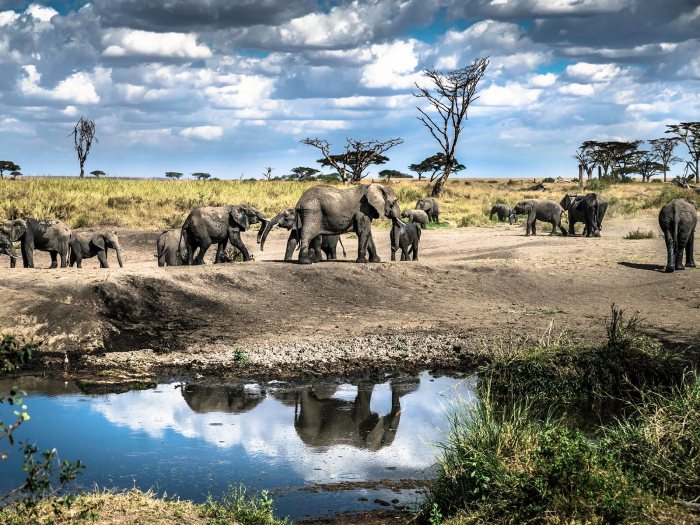
One of the most exciting aspects of a wildlife safari is the opportunity to have up-close encounters with majestic animals in their natural habitat. Whether it’s spotting a pride of lions on a game drive or witnessing a herd of elephants at a watering hole, these moments create lasting memories that solo travelers cherish.
Inspiring Stories of Solo Travelers on Wildlife Safaris
Hearing the stories of other solo travelers who have embarked on wildlife safaris can be incredibly motivating. From overcoming fears to experiencing the beauty of the natural world, these tales inspire others to step out of their comfort zones and explore the wonders of the animal kingdom.
Comparison with Group Wildlife Safaris
When it comes to wildlife safaris, whether to go solo or join a group is a common dilemma for many travelers. Each option has its own set of advantages and disadvantages, offering unique experiences that cater to different preferences and travel styles.
Advantages of Solo Wildlife Safaris
- Flexibility in itinerary and pace, allowing you to customize your safari experience according to your interests and preferences.
- Opportunity for personal reflection and connection with nature without distractions from other group members.
- Possibility of encountering more elusive wildlife due to smaller group size and quieter presence.
Disadvantages of Solo Wildlife Safaris
- Higher costs compared to group safaris, as you bear the full expenses of transportation, accommodation, and guide services.
- Potential safety concerns, especially when traveling to remote or unfamiliar areas without the support of a group.
- Lack of social interaction and camaraderie that comes with sharing experiences with fellow travelers.
Advantages of Group Wildlife Safaris, Wildlife safaris for solo travelers
- Cost-effective option with shared expenses for transportation, accommodation, and guide services, making it more budget-friendly.
- Safety in numbers, with a group providing a sense of security and support in unfamiliar or potentially risky situations.
- Social aspect of group travel, allowing you to meet like-minded individuals and share memorable experiences together.
Disadvantages of Group Wildlife Safaris
- Limited flexibility in itinerary and activities, as group tours follow a set schedule and may not accommodate individual preferences.
- Potential for overcrowding at popular wildlife viewing spots, reducing the chance of intimate wildlife encounters.
- Possibility of conflicts or differences in group dynamics, affecting the overall enjoyment of the safari experience.
Packing Guide for Wildlife Safaris
When going on a solo wildlife safari, packing efficiently is key to ensure you have everything you need while keeping your luggage manageable. Here is a detailed packing list to help you prepare for your adventure.
Clothing
- Lightweight, neutral-colored clothing for blending in with the surroundings
- Long-sleeved shirts and pants to protect against insects and the sun
- Comfortable walking shoes or hiking boots
- Hat and sunglasses for sun protection
- Rain jacket or poncho for unexpected weather changes
Gear
- Binoculars for wildlife viewing
- Camera with extra batteries and memory cards for capturing memorable moments
- Flashlight or headlamp for nighttime excursions
- Insect repellent and sunscreen
- Water bottle to stay hydrated
Medication and First Aid
- Pack any necessary prescription medications in their original containers
- Basic first aid kit with bandages, antiseptic wipes, and pain relievers
- Anti-malarial medication if traveling to a malaria-prone area
- Motion sickness pills if you are prone to travel sickness
Other Essentials
- Travel documents, including passport, visas, and travel insurance information
- Cash and credit cards for emergencies and purchases
- Reusable bags for storing dirty clothes or souvenirs
- Small backpack or daypack for day trips and excursions
- Personal toiletries and any specific items you may need
Cultural Immersion on Wildlife Safaris
When embarking on a wildlife safari as a solo traveler, it’s not just about observing the animals in their natural habitat. Cultural immersion adds a whole new dimension to the experience, allowing you to connect with local communities and learn about their traditions.
Interactions with Local Communities
Engaging with local communities can offer a deeper understanding of the region you are exploring. Whether it’s visiting a tribal village near a wildlife reserve or participating in traditional ceremonies, these interactions provide insight into the cultural fabric of the area.
- Joining a local guide for a village tour to learn about daily life and customs.
- Attending cultural performances or festivals organized by the community.
- Participating in craft workshops to create traditional artifacts alongside local artisans.
Activities for Cultural Engagement
There are plenty of activities that allow solo travelers to immerse themselves in the local culture while on a wildlife safari. These experiences not only enrich your journey but also contribute to sustainable tourism practices by supporting local livelihoods.
- Sampling traditional cuisine by dining at local eateries or participating in cooking classes.
- Staying in eco-friendly lodges or homestays run by local communities to learn about their way of life.
- Learning the basics of the local language to communicate with residents and deepen cultural exchanges.
Commonly Asked Questions
Is it safe to go on a wildlife safari alone?
While solo travel always carries risks, following safety guidelines and being vigilant can make your wildlife safari a safe and enjoyable experience.
What should I pack for a solo wildlife safari?
Essentials include sturdy clothing, proper gear, medications, and other necessary items. Pack light yet efficiently for your adventure.
How can solo travelers contribute to wildlife conservation during safaris?
Engage in responsible tourism practices, support local conservation efforts, and respect wildlife habitats to contribute positively to conservation.


