History of local cuisine in Maldives: A Culinary Journey Through Tradition and Innovation
Introduction to Maldivian Cuisine
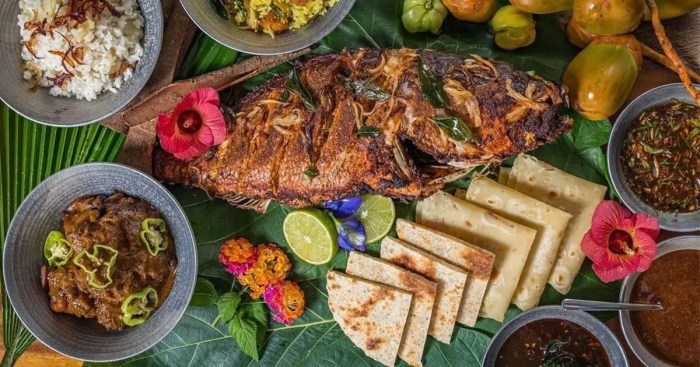
History of local cuisine in Maldives – Maldives, an island nation in the Indian Ocean, boasts a rich culinary tradition that reflects its unique cultural heritage and geographical location. The local cuisine in Maldives plays a significant role in preserving the country’s identity and showcasing its flavors to the world.
Cultural Influences on Maldivian Food
Maldivian cuisine has been influenced by various cultures over the centuries, including Indian, Sri Lankan, Arab, and even African influences. These diverse cultural interactions have shaped the flavors and cooking techniques used in traditional Maldivian dishes, creating a fusion of tastes that is truly unique to the region.
Key Ingredients in Traditional Maldivian Dishes
- Coconut: A staple ingredient in Maldivian cooking, coconut is used in various forms such as coconut milk, grated coconut, and coconut oil.
- Tuna: As a nation surrounded by the sea, tuna is a popular protein source in Maldivian cuisine and is often served in dishes like mas huni (tuna salad) and garudhiya (fish soup).
- Chili: Maldivian cuisine is known for its spicy kick, with chili being a key ingredient in many dishes, adding heat and flavor to the food.
- Rice: Rice is a common staple in Maldivian meals, often served alongside curries and other dishes to provide a filling and satisfying meal.
History of Local Cuisine in Maldives
Maldivian cuisine has a rich history that dates back centuries, influenced by various cultures and traditions that have shaped the local food culture we see today. The Maldives, being an island nation, has always relied heavily on seafood and coconut as staple ingredients in their dishes.
Origins of Maldivian Cuisine, History of local cuisine in Maldives
Maldivian cuisine has been influenced by Indian, Sri Lankan, Arab, and African culinary traditions. The use of spices like cumin, cardamom, and turmeric in Maldivian dishes reflects this influence. Coconut, fish, and rice are the main components of Maldivian cuisine, with dishes like mas huni (tuna salad) and garudhiya (fish soup) being popular among locals.
Historical Events and Local Food Culture
Historical events such as the Arab occupation of the Maldives and the introduction of Islam to the islands have also played a significant role in shaping the local food culture. The Islamic dietary laws have influenced the way food is prepared and consumed in the Maldives, with pork being prohibited and the emphasis on halal food.
Traditional Cooking Methods
Traditional cooking methods such as roasting, grilling, and steaming have been instrumental in preserving Maldivian recipes and flavors. The use of traditional cooking implements like the mirihun (clay oven) and the haandi (clay pot) adds a unique taste to Maldivian dishes.
These methods have been passed down through generations, ensuring that the authenticity of Maldivian cuisine is maintained.
Traditional Maldivian Dishes
Maldivian cuisine is known for its unique flavors and textures, influenced by the local ingredients and cooking techniques. Fish and coconut are staples in Maldivian cooking, reflecting the island nation’s reliance on the sea and tropical produce.
Popular Traditional Dishes in Maldives
- Mas Riha – A flavorful fish curry made with tuna, coconut milk, and aromatic spices like curry leaves and pandan.
- Gulha – Fish balls mixed with grated coconut, onion, chili, and spices, then deep-fried to perfection.
- Fihunu Mas – Grilled fish marinated in a blend of spices and served with rice or roshi (flatbread).
- Rihaakuru – A thick fish paste made from boiled tuna, often used as a condiment or flavoring agent in various dishes.
- Bis Keemiya – Savory pastries filled with fish, coconut, and spices, typically enjoyed as a snack or appetizer.
Flavors and Textures in Maldivian Cuisine
Maldivian dishes are known for their bold, spicy flavors and rich, creamy textures. Coconut milk is commonly used to add creaminess to curries, while spices like chili, cardamom, and cumin provide depth and heat to the dishes. The use of fresh herbs and curry leaves also enhances the aroma and flavor profile of Maldivian cuisine.
Importance of Fish and Coconut in Maldivian Cooking
Fish and coconut play a crucial role in Maldivian cooking, as they are abundant resources in the island nation. Fish is a primary source of protein for Maldivians and is used in various forms such as grilled, curried, or dried.
Coconut, on the other hand, provides richness and flavor to dishes through coconut milk, grated coconut, and coconut oil. The combination of fish and coconut creates a unique and delicious culinary experience that is distinctively Maldivian.
Cultural Significance of Food in Maldives
In Maldivian culture, food plays a central role in celebrations and festivals, bringing people together and strengthening social bonds. The cuisine of Maldives reflects the rich history and traditions of the islands, making it an integral part of the local culture.
Role of Food in Maldivian Celebrations and Festivals
During special occasions such as weddings, Eid festivals, and other cultural events, food takes center stage in Maldives. Traditional dishes like Garudhiya (fish soup) and Fihunu Mas (grilled fish) are often prepared in large quantities to be shared with family, friends, and the community.
These gatherings provide an opportunity for people to come together, celebrate, and create lasting memories.
Connection Between Maldivian Cuisine and Social Gatherings
Food in Maldives is not just about nourishment but also serves as a way to connect with others. Sharing a meal is a way to show hospitality and strengthen relationships. Whether it’s a simple tea break or a grand feast, food brings people together and fosters a sense of community.
Passing Down Food Traditions in Maldives
Food traditions in Maldives are passed down from generation to generation through oral history and hands-on experience. Recipes are taught within families, with each generation adding their own twist to traditional dishes. This ensures that the culinary heritage of Maldives continues to thrive and evolve over time.
Modern Influences on Maldivian Cuisine
Globalization has significantly impacted Maldivian food trends, bringing in new ingredients, cooking techniques, and flavors from around the world. This has led to a fusion of international cuisines with traditional Maldivian dishes, creating a diverse and exciting culinary landscape in the Maldives.
Adaptation of Traditional Recipes
One example of a modern adaptation of a Maldivian recipe is the incorporation of spices like cumin, turmeric, and coriander from Indian cuisine into traditional Maldivian fish dishes. This infusion of flavors adds depth and complexity to the dishes while maintaining their authentic Maldivian essence.
Introduction of New Ingredients
With the increase in tourism and trade, Maldivian chefs have started incorporating ingredients like coconut milk, soy sauce, and chili peppers from Asian cuisines into their cooking. These new ingredients have brought a unique twist to traditional Maldivian recipes, appealing to both locals and visitors alike.
Fusion Cuisine
The concept of fusion cuisine has become popular in the Maldives, with restaurants offering dishes that combine Maldivian flavors with influences from Thai, Chinese, and Italian cuisines. This blending of different culinary traditions has created innovative and delicious dishes that cater to a diverse range of tastes.
Culinary Experiences in Maldives
When it comes to experiencing the local cuisine in Maldives, travelers are in for a treat. The dining experiences at local eateries in Maldives offer a unique blend of flavors, aromas, and traditions that showcase the rich culinary heritage of the islands.
Exploring Maldivian Cuisine Authentically
- Opt for traditional Maldivian restaurants or cafes that serve authentic local dishes such as Garudhiya (fish soup), Mas Huni (tuna salad), and Fihunu Mas (grilled fish).
- Engage with locals to learn about the ingredients, cooking techniques, and cultural significance of the dishes, enhancing your overall dining experience.
- Participate in cooking classes or food tours that provide hands-on experiences and insights into Maldivian culinary traditions.
Significance of Eating Local in Maldives
- Eating local in Maldives not only allows travelers to savor the authentic flavors of the destination but also supports the local economy and promotes sustainable tourism.
- By trying local dishes, travelers can immerse themselves in the culture, history, and traditions of Maldives, creating memorable and enriching travel experiences.
- Choosing local eateries over international chains helps preserve traditional recipes and culinary practices, contributing to the preservation of Maldivian food heritage.
Sustainability in Maldivian Food Practices
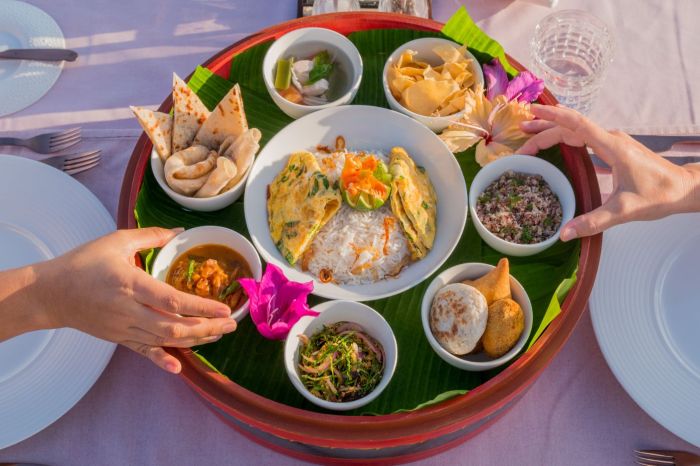
In the Maldives, sustainable fishing practices play a crucial role in preserving the delicate marine ecosystem and ensuring a steady supply of seafood for local consumption.
Promotion of Local Ingredients and Reduction of Food Waste
Efforts are being made to promote the use of local ingredients in Maldivian cuisine, not only to support local farmers and producers but also to reduce the carbon footprint associated with importing food items. By utilizing locally sourced ingredients, the dependence on imported goods decreases, leading to a more sustainable food system.
Additionally, initiatives aimed at reducing food waste help minimize the environmental impact of food production and consumption.
Support for Traditional Maldivian Farming Methods
Various initiatives in the Maldives are supporting traditional farming methods that have been passed down through generations. By preserving these sustainable agricultural practices, the country can maintain its food heritage while also promoting environmentally friendly farming techniques. These efforts not only help in safeguarding the cultural significance of local cuisine but also contribute to the overall sustainability of the food system in the Maldives.
Culinary Tourism in Maldives: History Of Local Cuisine In Maldives
As the Maldives continues to attract tourists from around the world for its stunning beaches and luxurious resorts, culinary tourism has also been on the rise in recent years. Travelers are increasingly seeking authentic food experiences to complement their stay in this tropical paradise.
Popular Food-Related Activities for Tourists in Maldives
- Participating in traditional cooking classes to learn how to prepare Maldivian dishes such as mas huni (tuna salad) and garudhiya (fish soup).
- Exploring local markets and street food stalls to sample a variety of Maldivian snacks and treats like hedhikaa (short eats) and bajiya (fried pastries).
- Taking part in seafood BBQ nights at resorts or on local islands to indulge in freshly caught fish, lobster, and other seafood delicacies.
- Joining guided food tours to discover hidden gems and off-the-beaten-path eateries that offer unique Maldivian flavors and dishes.
Recommendations for Travelers Seeking Authentic Food Experiences in Maldives
- Interact with locals to learn about their food culture and traditions, and to get recommendations on the best places to eat.
- Visit local restaurants and cafes that serve authentic Maldivian cuisine, rather than sticking solely to resort dining options.
- Attend food festivals and events that showcase the diversity of Maldivian food and allow for tasting a wide range of dishes in one place.
- Try unique dining experiences such as underwater restaurants or dining on a sandbank under the stars for a memorable culinary adventure.
Questions Often Asked
Is Maldivian cuisine heavily influenced by other cultures?
Yes, Maldivian cuisine reflects influences from Indian, Sri Lankan, Arabic, and African culinary traditions.
What are some unique cooking methods used in Maldivian recipes?
Traditional Maldivian dishes are often cooked using methods like roasting, grilling, and stewing to enhance flavors.
How important is sustainability in Maldivian food practices?
Sustainability is crucial in Maldivian food practices, with a focus on promoting local ingredients and reducing food waste.


