Hiking trails with wildlife viewing: Experience Nature Up Close
Hiking Trails with Wildlife Viewing
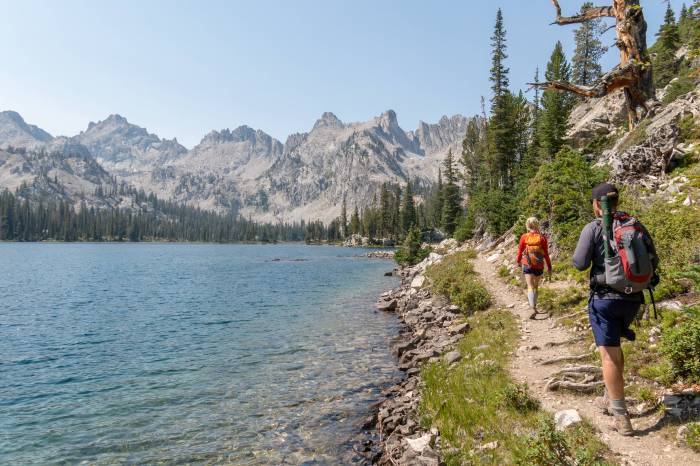
Hiking trails with wildlife viewing – Exploring hiking trails that offer wildlife viewing opportunities is an exciting and enriching experience for nature enthusiasts and adventure seekers alike. The allure of witnessing animals in their natural habitat adds a unique dimension to the hiking experience, making it more immersive and memorable.
Combining hiking with wildlife observation not only allows hikers to appreciate the beauty of the outdoors but also provides valuable insights into the ecosystem and the diverse species that inhabit it. It offers a chance to learn about different animals, their behaviors, and the delicate balance of nature, fostering a deeper connection with the environment.
Benefits of Hiking with Wildlife Observation
- Enhanced connection with nature: Witnessing wildlife up close can instill a sense of awe and appreciation for the natural world, leading to a greater respect for the environment.
- Physical and mental well-being: Hiking in nature has proven benefits for both physical health and mental well-being, and the added element of wildlife viewing can further enhance these benefits by reducing stress and increasing happiness.
- Educational opportunities: Observing animals in their natural habitat provides educational opportunities to learn about different species, their habitats, and the importance of conservation efforts.
- Memorable experiences: The thrill of spotting wildlife during a hike creates lasting memories and enriches the overall outdoor adventure, making it truly unforgettable.
Responsible Wildlife Viewing Practices
- Keep a safe distance: It is crucial to maintain a safe distance from wildlife to avoid disturbing their natural behavior or putting yourself at risk.
- Respect their habitat: Stay on designated trails to minimize impact on the environment and avoid damaging the habitat of wildlife species.
- Do not feed the animals: Feeding wildlife can disrupt their natural diet and behavior, leading to dependency on humans and potential harm to the animals.
- Quiet observation: Be mindful of noise levels and avoid sudden movements to observe wildlife without causing them stress or disturbance.
Festival Travel
When planning a hiking trip, integrating festival travel can add an exciting cultural dimension to the outdoor adventure. Attending festivals near hiking trails allows travelers to immerse themselves in local traditions, music, cuisine, and arts, enhancing the overall travel experience.
Popular Festivals Near Hiking Trails
Here are some popular festivals around the world that are located near hiking trails:
- Oktoberfest in Munich, Germany – Combine hiking in the Bavarian Alps with attending the world’s largest beer festival.
- Diwali in India – Experience the Festival of Lights while exploring hiking trails in the Himalayas.
- Sundance Film Festival in Utah, USA – Enjoy independent films and outdoor adventures in the scenic mountains of Utah.
- Songkran Water Festival in Thailand – Hike through lush forests and join in the fun of the Thai New Year celebrations.
Cultural Significance of Combining Festival Experiences with Outdoor Adventures
Combining festival experiences with hiking trips offers travelers a unique opportunity to connect with local communities, learn about diverse cultures, and create lasting memories. It allows individuals to appreciate the beauty of nature while also engaging with the rich traditions and celebrations of different regions around the world.
Travel Reviews
When looking at travel reviews for hiking trails with wildlife viewing, there are several key aspects to consider. Reviews can provide valuable insights into the types of wildlife you may encounter, the level of difficulty of the trail, the best times of year to visit for wildlife sightings, and any safety concerns to be aware of.
It’s important to read a variety of reviews to get a well-rounded understanding of what to expect on the trail.
Personal Experiences from Travel Reviews
- One reviewer shared a thrilling encounter with a family of black bears while hiking a trail in the Rocky Mountains. They emphasized the importance of carrying bear spray and knowing how to react in a bear encounter.
- Another traveler recounted a magical sunrise hike in the Grand Tetons where they spotted a herd of elk grazing in a meadow. They recommended visiting early in the morning for the best chance of wildlife sightings.
How Travel Reviews Influence Decision-Making
- Positive reviews highlighting abundant wildlife sightings can be a major factor in choosing a hiking destination. Travelers are often drawn to trails where they have a high likelihood of seeing a variety of animals in their natural habitat.
- Conversely, negative reviews warning of dangerous wildlife encounters or overcrowded trails can steer hikers away from certain destinations. Safety concerns and the desire for a peaceful wilderness experience are key considerations for many travelers.
Travel Accessories
When embarking on a hiking trip focused on wildlife viewing, having the right travel accessories is crucial to ensure a safe and enjoyable experience. From gear for wildlife observation to essentials for staying comfortable on the trail, here is a guide to the must-have travel accessories for hiking trips with a focus on wildlife encounters.
Essential Gear for Wildlife Observation
- Binoculars: A good pair of binoculars is essential for spotting wildlife from a distance and getting a closer look without disturbing the animals.
- Camera: Capture the beauty of the wildlife you encounter with a quality camera to document your sightings.
- Field Guide: Bring along a field guide to help you identify the different species of wildlife you may come across on the trail.
- Wildlife Apps: Consider downloading wildlife apps on your smartphone to enhance your knowledge of the animals you encounter.
Tips for Efficient Packing
- Layered Clothing: Be prepared for varying weather conditions by packing lightweight, moisture-wicking clothing that can be layered for warmth.
- Comfortable Footwear: Invest in a sturdy pair of hiking boots with good traction to navigate through different terrains comfortably.
- Backpack: Choose a backpack with enough storage space to carry your essentials, including water, snacks, and wildlife observation gear.
- Sun Protection: Pack sunscreen, a hat, and sunglasses to protect yourself from the sun’s rays while out on the trail.
- First Aid Kit: Always carry a basic first aid kit with essentials like bandages, antiseptic wipes, and pain relief medication.
Road Adventures
Embarking on road adventures can lead to exciting opportunities to access hiking trails with wildlife viewing. The flexibility and freedom of road trips allow travelers to explore nature at their own pace, making it an ideal way to reach hiking destinations known for wildlife sightings.
Scenic Routes to Wildlife Hiking Trails
Some scenic routes offer breathtaking views and lead to hiking destinations that are renowned for wildlife sightings. These routes not only provide a beautiful journey but also enhance the overall experience of the hiking adventure.
- Highway 1 along the California coast offers stunning ocean views and leads to hiking trails in Big Sur, known for its diverse wildlife population.
- Going-to-the-Sun Road in Glacier National Park provides access to various hiking trails where visitors can spot grizzly bears, mountain goats, and other wildlife species.
- The Icefields Parkway in Alberta, Canada, offers panoramic views of the Canadian Rockies and leads to hiking trails where travelers can observe elk, bighorn sheep, and other wildlife.
Freedom and Flexibility in Exploring Nature
Road adventures provide travelers with the freedom to choose their routes, stop at scenic viewpoints, and explore hidden gems along the way. This flexibility allows nature enthusiasts to immerse themselves in the beauty of the surroundings and make spontaneous stops to appreciate wildlife encounters.
Tropical Islands
When it comes to tropical islands, there are plenty of opportunities for hikers to explore unique wildlife while enjoying breathtaking landscapes. Hiking trails in tropical environments offer a mix of challenges and rewards for nature enthusiasts.
Unique Wildlife Viewing Opportunities
Exploring hiking trails on tropical islands provides the chance to encounter a diverse range of wildlife, from colorful birds to exotic marine life. Some popular tropical islands known for their unique wildlife viewing opportunities include:
- Hawaii: Hike through lush rainforests to spot native birds like the I’iwi and the Nene goose.
- Galapagos Islands: Witness the famous giant tortoises and marine iguanas while hiking through volcanic landscapes.
- Borneo: Trek through dense jungles to catch a glimpse of orangutans, pygmy elephants, and proboscis monkeys.
Challenges and Rewards of Hiking in Tropical Environments
Hiking in tropical environments can be both challenging and rewarding due to the following factors:
- Challenges:
- High humidity and temperature levels can make hiking strenuous and exhausting.
- Navigating through dense vegetation and slippery terrain can be tricky for hikers.
- Encountering potentially dangerous wildlife like venomous snakes or insects is a real possibility.
- Rewards:
- Breathtaking views of lush forests, crystal-clear waters, and vibrant wildlife make the journey worth it.
- Opportunities to witness unique flora and fauna that can only be found in tropical regions.
- A sense of accomplishment and connection with nature after completing challenging hikes.
Conservation Efforts on Tropical Island Hiking Trails
Conservation efforts play a crucial role in protecting the delicate ecosystems and wildlife found on tropical island hiking trails. Some initiatives include:
- Implementing strict regulations to minimize the impact of tourism on local wildlife and habitats.
- Creating designated protected areas where endangered species can thrive without human disturbance.
- Educating hikers about the importance of respecting nature and leaving no trace to preserve the environment for future generations.
Travel Rewards: Hiking Trails With Wildlife Viewing
Travel rewards play a significant role in enhancing the overall experience for travelers exploring hiking trails with wildlife viewing. These loyalty programs or reward systems offer a variety of benefits that can make your adventures even more enjoyable and economical.
Benefits of Travel Rewards, Hiking trails with wildlife viewing
- Accumulate points or miles for every hike or wildlife observation, leading to free flights, hotel stays, or other travel perks.
- Gain access to exclusive deals, upgrades, and VIP treatment at various destinations, including national parks and wildlife reserves.
- Enjoy priority boarding, baggage allowance, and other conveniences that streamline your travel experience.
- Receive special offers or discounts on travel accessories, gear, and equipment essential for hiking and wildlife viewing.
Personal Experiences with Travel Rewards
- During a recent hiking trip to a national park, I earned points with a travel rewards program for booking accommodations near the park entrance. These points later helped me secure a free night’s stay at a luxury resort for my next wildlife viewing expedition.
- By using a co-branded credit card that offers bonus points for purchases at outdoor retailers, I was able to accumulate enough miles to cover the cost of a flight to a remote island for a unique birdwatching experience.
Winter Getaways
When it comes to winter getaways, hiking trails in cold climates offer a unique opportunity to experience wildlife in a snowy wonderland. From spotting elusive animals in their winter habitats to witnessing breathtaking snowy landscapes, there is so much to explore during this magical season.
Winter Hiking Trails for Wildlife Viewing
Winter hiking trails provide a serene and peaceful experience, with the chance to spot wildlife adapted to cold climates. Some popular destinations for winter wildlife viewing include:
- Rocky Mountain National Park in Colorado, where you can see elk, bighorn sheep, and even elusive mountain lions against a backdrop of snow-capped peaks.
- Yellowstone National Park in Wyoming, known for its winter wolf watching opportunities and herds of bison navigating through the snow-covered landscape.
- Algonquin Provincial Park in Ontario, Canada, where you might catch a glimpse of wolves, moose, and other winter wildlife in their natural habitat.
Tips for Hiking in Winter Conditions
Staying safe and comfortable while hiking in winter conditions is crucial for an enjoyable experience. Here are some tips to keep in mind:
- Dress in layers to stay warm and dry, including moisture-wicking base layers, insulating mid-layers, and a waterproof outer layer.
- Wear proper insulated footwear with good traction to navigate icy and snowy terrain safely.
- Carry essential gear such as a map, compass, first aid kit, and emergency supplies in case of unexpected weather changes.
Unique Wildlife Encounters in Winter
Winter getaways offer a unique opportunity to witness wildlife in their winter habitat, showcasing their resilience and adaptability to cold conditions. Some memorable wildlife encounters during winter hikes include:
- Watching a red fox hunting for prey in the snow, showcasing its agility and hunting skills in challenging winter conditions.
- Spotting a snowy owl perched on a tree branch, camouflaged against the snowy backdrop as it scans the landscape for potential prey.
- Observing a herd of deer foraging for food in the snow-covered forest, their thick winter coats providing insulation against the cold.
Camping Sites
When exploring hiking trails with wildlife viewing opportunities, camping can enhance your outdoor experience by allowing you to immerse yourself in nature for an extended period. Camping near these trails provides a unique opportunity to witness wildlife in their natural habitat and truly connect with the environment.
Benefits of Combining Camping with Hiking
- Immersive Experience: Camping allows you to fully experience the sights and sounds of nature, especially during dawn and dusk when wildlife is most active.
- Extended Exploration: Spending more time in the wilderness through camping enables you to cover greater distances on hiking trails and discover hidden gems.
- Connection with Nature: Camping under the stars and waking up to the sounds of wildlife can create a deeper bond with the natural world.
Tips for Choosing Camping Sites
When selecting a camping site near hiking trails with wildlife viewing, prioritize locations that prioritize wildlife conservation to ensure a sustainable experience for both visitors and animals.
- Research Campground Policies: Look for campgrounds that have strict rules against feeding wildlife or disturbing their habitats.
- Choose Leave No Trace Sites: Opt for camping sites that follow Leave No Trace principles to minimize your impact on the environment and wildlife.
- Proximity to Trails: Select camping sites that are conveniently located near hiking trails to maximize your wildlife viewing opportunities without disrupting the ecosystem.
Local Cuisine
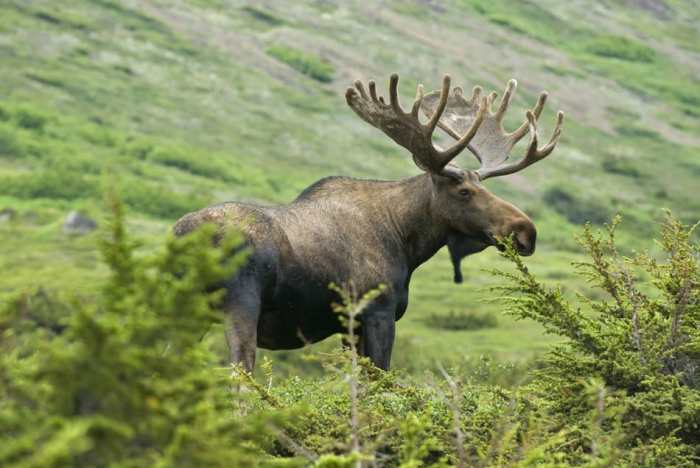
After a long day of hiking and wildlife viewing on the trails, exploring local cuisine can be a delightful way to immerse yourself in the culture of the region. From traditional dishes to unique flavors, local cuisine offers a glimpse into the culinary heritage of the area you are exploring.
Food Recommendations for Hikers
- Trail Mix: A classic hiking snack packed with nuts, dried fruits, and sometimes chocolate for a quick energy boost.
- Bannock: A simple and hearty bread that can be easily cooked over a campfire, perfect for a post-hike meal.
- Local Seafood: If you’re hiking near the coast, don’t miss out on fresh seafood dishes like fish tacos or clam chowder.
- Wild Berry Jam: Foraging for wild berries along the trail and enjoying them in the form of jam can be a sweet treat.
Cultural Significance of Trying Local Cuisine
Sampling local cuisine while on hiking adventures goes beyond just satisfying hunger. It allows hikers to connect with the history, traditions, and flavors of the region. By trying local dishes, hikers can gain a deeper appreciation for the community and environment they are exploring.
Wildlife Safaris
When it comes to experiencing wildlife up close, traditional wildlife safaris and encountering wildlife on hiking trails offer unique perspectives. While both provide opportunities for observing animals in their natural habitats, there are distinct differences in the experiences they offer.
Comparing Traditional Wildlife Safaris with Wildlife Viewing on Hiking Trails
Traditional wildlife safaris typically involve guided tours in specialized vehicles through designated national parks or reserves. These tours often provide a chance to see a wide variety of wildlife species in a condensed period. On the other hand, encountering wildlife on hiking trails offers a more immersive and intimate experience, allowing hikers to observe animals in a quieter and less intrusive manner.
Conservation Impact of Wildlife Safaris versus Wildlife Viewing through Hiking
It is essential to consider the conservation impact of wildlife safaris compared to wildlife viewing through hiking. While traditional safaris can contribute to the local economy and conservation efforts through tourism revenue, they can also result in habitat disturbance and stress for wildlife.
Hiking trails, on the other hand, offer a more sustainable way to appreciate wildlife without causing as much disruption to their natural behavior.
Benefits of Intimate Wildlife Experience while Hiking in Natural Habitats
One of the significant benefits of encountering wildlife on hiking trails is the opportunity for a more intimate and personal connection with nature. Hikers can witness animals in their natural environment at their own pace, fostering a deeper appreciation for the intricate ecosystems they are a part of.
This intimate experience can lead to a greater understanding of the importance of conservation and protection of wildlife and their habitats.
Travel Vlogs
Travel vlogs play a significant role in showcasing hiking trails with wildlife viewing experiences to a global audience. These video logs provide a visual and immersive journey for viewers, allowing them to virtually experience the thrill of hiking in diverse landscapes and encountering various wildlife species.
Popular Travel Vlogs Focusing on Wildlife Encounters
- Nat Geo Wild: Known for its stunning wildlife footage, Nat Geo Wild’s travel vlogs capture rare and beautiful encounters with animals in their natural habitats during hikes.
- Brave Wilderness: This YouTube channel features adventurous hikes in search of wildlife encounters, educating viewers about different species and the importance of conservation.
- The Wildlife Diaries: With a focus on wildlife photography and videography during hikes, this travel vlog showcases the beauty of nature and the importance of protecting it.
Inspiration and Education Through Travel Vlogs
Travel vlogs have the power to inspire and educate viewers about hiking and wildlife conservation by showcasing real-life experiences and encounters. Through these videos, viewers can learn about the importance of preserving natural habitats, respecting wildlife, and promoting sustainable travel practices.
Additionally, travel vlogs can serve as a source of inspiration for viewers to explore hiking trails with wildlife viewing opportunities, fostering a sense of appreciation for nature and wildlife conservation efforts.
Car Rentals
Renting a car can greatly enhance the experience of exploring hiking trails with wildlife viewing. It provides the convenience of traveling at your own pace and accessing remote destinations that may not be easily reachable by public transportation.
Tips for Choosing the Right Vehicle
- Consider the terrain: If you plan to visit rugged hiking trails, opt for a 4-wheel drive vehicle for better traction and stability.
- Size matters: Choose a vehicle that can comfortably accommodate all passengers and gear, especially if you plan to camp or spend extended time on the road.
- Fuel efficiency: Look for a car with good gas mileage to save on fuel costs during your road trip.
- Storage space: Ensure the vehicle has enough storage space for hiking gear, camping equipment, and any wildlife viewing essentials.
Exploring Off-the-Beaten-Path Trails
Renting a car provides the freedom to explore lesser-known hiking trails that are off the beaten path. You can discover hidden gems, encounter unique wildlife, and immerse yourself in nature without being limited by public transportation schedules. Additionally, having a car allows you to stop at scenic viewpoints, wildlife spotting areas, and local eateries along the way, enhancing your overall hiking experience.
Scenic Routes
Driving along scenic routes to reach hiking trails known for wildlife viewing can truly enhance the overall travel experience. Not only do these routes offer breathtaking views and photo opportunities, but they also provide a sense of anticipation and excitement as you approach your destination.
Highlighting Scenic Routes
When embarking on a journey to a hiking trail with wildlife viewing, consider taking the scenic route to immerse yourself in the beauty of nature. These routes often wind through picturesque landscapes, offering glimpses of mountains, forests, rivers, and wildlife along the way.
- Drive along the Pacific Coast Highway in California for stunning ocean views and chances to spot marine wildlife like whales and dolphins.
- Explore the Going-to-the-Sun Road in Glacier National Park, Montana, for panoramic mountain vistas and opportunities to see bears, bighorn sheep, and other wildlife.
- Take the Blue Ridge Parkway in North Carolina and Virginia for a leisurely drive through the Appalachian Mountains, with chances to observe birds, deer, and other wildlife.
Importance of Enjoying the Journey
While the destination may be the ultimate goal, the journey itself can be just as rewarding. Driving along scenic routes allows you to relax, unwind, and appreciate the natural beauty surrounding you. It also builds anticipation for the wildlife viewing experience that awaits you at the hiking trail.
- Stop at scenic overlooks to take in the views, snap photos, and stretch your legs before continuing your journey.
- Listen to nature sounds, such as bird songs and rustling leaves, as you drive through forests and meadows on your way to the hiking trail.
- Keep an eye out for wildlife along the roadside, such as deer, elk, or birds of prey, to enhance your wildlife viewing experience before even reaching the trailhead.
Enhancing the Travel Experience
Scenic routes not only provide a visually appealing drive but also set the tone for the outdoor adventure that lies ahead. They help create a sense of connection with nature and build excitement for the wildlife encounters you may have while hiking.
- Immerse yourself in the natural surroundings by rolling down the windows and breathing in the fresh mountain air or salty sea breeze as you drive.
- Enjoy the peacefulness of remote landscapes and the freedom of the open road, setting the stage for a memorable wildlife viewing experience at the hiking trail.
- Consider incorporating stops at local attractions or points of interest along the scenic route to further enrich your travel experience and learn more about the area’s history and wildlife.
Weekend Getaways
Weekend getaways that involve hiking trails with wildlife viewing are the perfect way to escape the hustle and bustle of daily life and immerse yourself in nature. Whether you’re a nature enthusiast or just looking for a relaxing break, these short trips offer a unique opportunity to connect with the great outdoors.
Planning short trips to maximize wildlife encounters during weekends requires some careful consideration. Research the best hiking trails in your desired location, pack appropriate gear such as binoculars and a camera, and be mindful of the best times of day to spot wildlife.
Additionally, consider booking guided tours or wildlife excursions to enhance your chances of seeing animals in their natural habitat.
Rejuvenating Effects of Nature-Focused Weekend Getaways
Embarking on nature-focused weekend getaways can have a profound rejuvenating effect on both your mind and body. Disconnecting from technology, breathing in fresh air, and immersing yourself in the beauty of the natural world can help reduce stress, improve mental clarity, and increase overall well-being.
These short breaks provide a much-needed escape from the daily grind and allow you to recharge and reset in a tranquil environment.
User Queries
What should I do if I encounter wildlife on a hiking trail?
It’s important to stay calm and keep your distance. Avoid sudden movements and loud noises to prevent startling the animals. Respect their space and observe them from a safe distance.
Are there any specific safety measures to consider while hiking on trails with wildlife?
Always make noise while hiking to alert wildlife of your presence. Carry bear spray or other deterrents if you’re in an area with larger predators. Be aware of your surroundings and follow any guidelines provided for wildlife encounters.
How can I contribute to wildlife conservation while hiking on these trails?
Dispose of trash properly, stay on designated trails to avoid disturbing wildlife habitats, and follow the principles of Leave No Trace. By being a responsible hiker, you can help preserve the natural environment for future generations.


